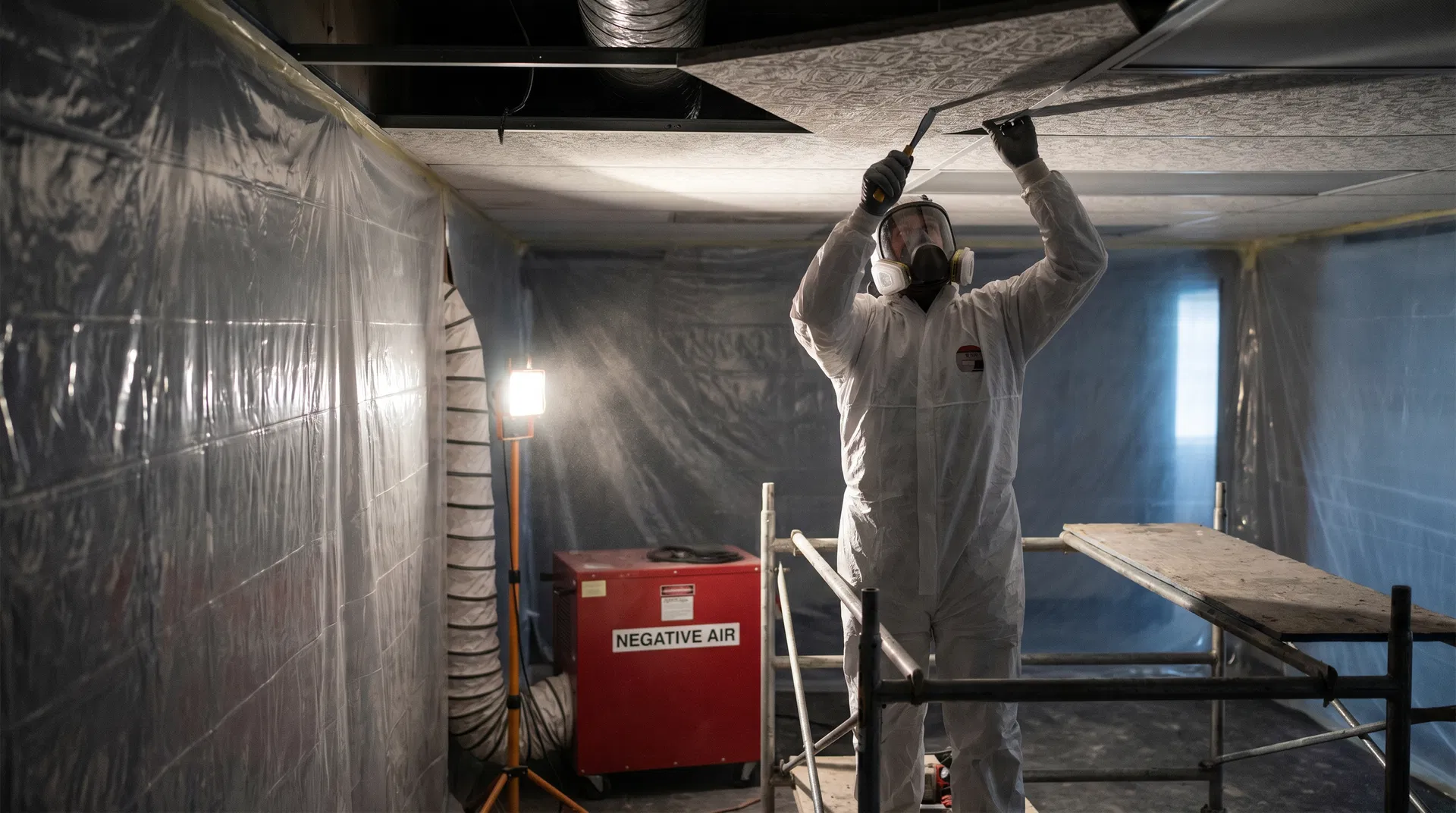
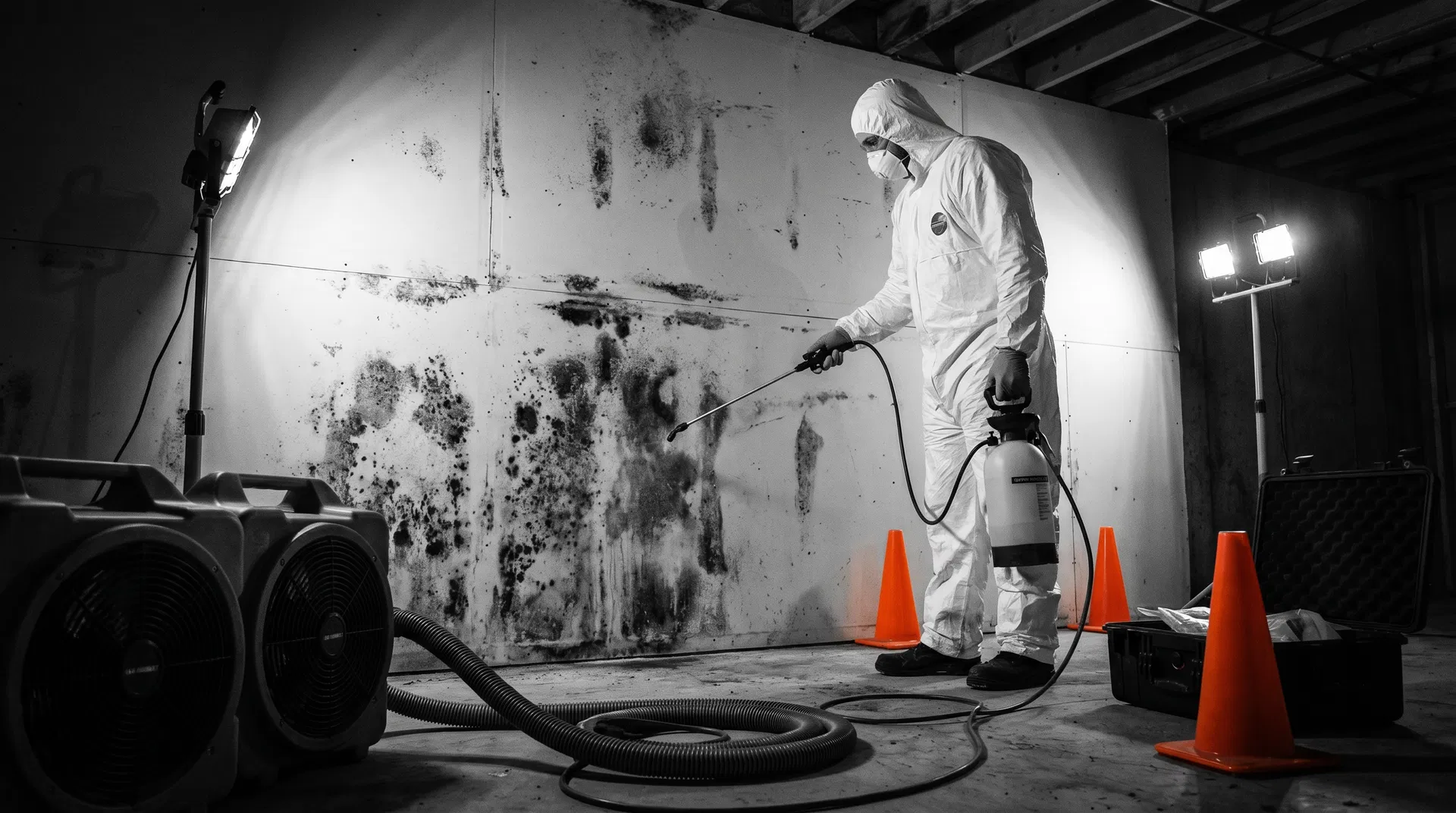
Regular tank cleaning isn't just good practice — in California, it's often a regulatory requirement. Here's what facility managers need to know.
Industrial tanks — whether storing water, chemicals, fuel, or agricultural products — require regular cleaning and maintenance to ensure safety, compliance, and operational efficiency.
WHY TANK CLEANING MATTERS
Residue buildup in tanks can compromise product quality, create safety hazards, and lead to regulatory violations. For water storage tanks, bacterial growth and sediment accumulation can affect water quality. For industrial tanks, residue buildup can cause equipment damage and create confined space hazards.
CALIFORNIA REGULATORY REQUIREMENTS
California has specific requirements for various types of storage tanks, including underground storage tanks (USTs) regulated by the State Water Resources Control Board, aboveground storage tanks (ASTs) regulated by the California Fire Code, and water storage tanks regulated by the California Department of Public Health.
THE CONFINED SPACE CHALLENGE
Tank cleaning is inherently a confined space operation, requiring specialized training, equipment, and procedures. California's confined space regulations require a written permit program, atmospheric testing, ventilation, and rescue procedures for permit-required confined spaces.
ALLIANCE ENVIRONMENTAL SERVICES TANK CLEANING CAPABILITIES
Our team is certified for permit-required confined space entry and equipped with SCBAs, continuous gas monitors, and specialized cleaning equipment. We have successfully cleaned agricultural tanks, municipal water towers, industrial process tanks, and fuel storage tanks throughout California.
NEED PROFESSIONAL HELP?
Alliance Environmental Services provides certified tank cleaning services across California. Contact us for a free assessment.